
Written by Christian Gomez Cortes
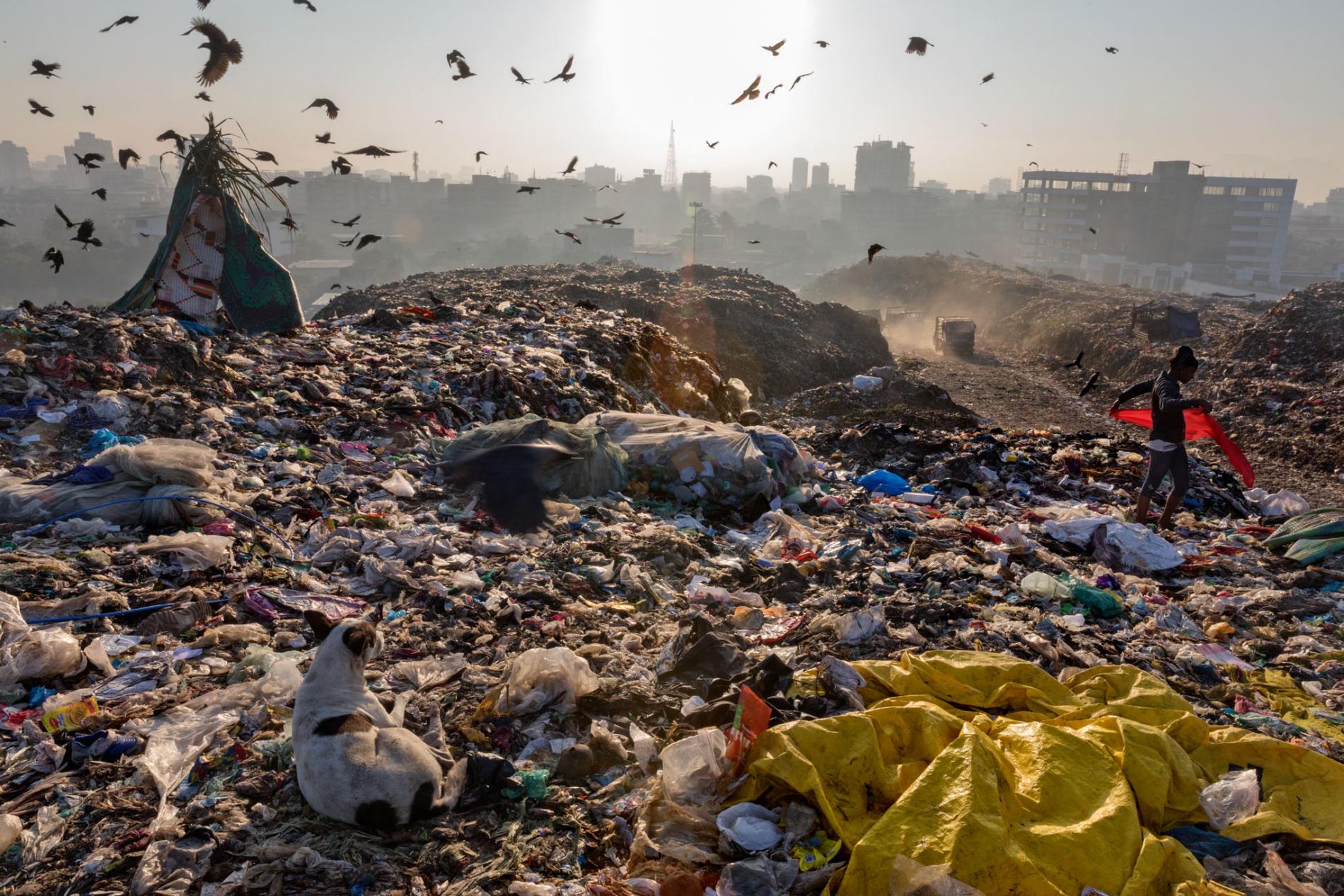
With new popular trends in clothing reappearing and emerging every other day, we as a society have grown accustomed to increasing the amount of clothing waste we produce as individuals. With excessive purchasing and disposing of unwanted textiles, the earth has felt many of the negative environmental impacts of global carbon emission. As stated by Planet Aid,
“The apparel industry is the second largest polluter in the world accounting for 10% of global carbon emissions the only industry producing more pollution is that of oil”
(Planet Aid 2017).
With Americans generating over 11 billion pounds of clothing waste each year, with only 15 percent of it being reused (Davis, 2014) the overall impact of many of the apparel manufacturers in the world has become quite concerning. Ultimately, each step of the clothing production process carries the potential for a negative environmental impact thus why it is important to find better and more eco-friendly fabric that won’t tarnish our environment. The clothing industry in recent years has been under a lot of negative response to the environmental cost of fast fashion. Due to the overwhelming state of the clothing industry, competitors of this saturated market have focused on fast production and inexpensive clothing in order to distribute persistent new collections of clothes. On a global scale, methods such as textile dyeing and screen printing are sometimes used in
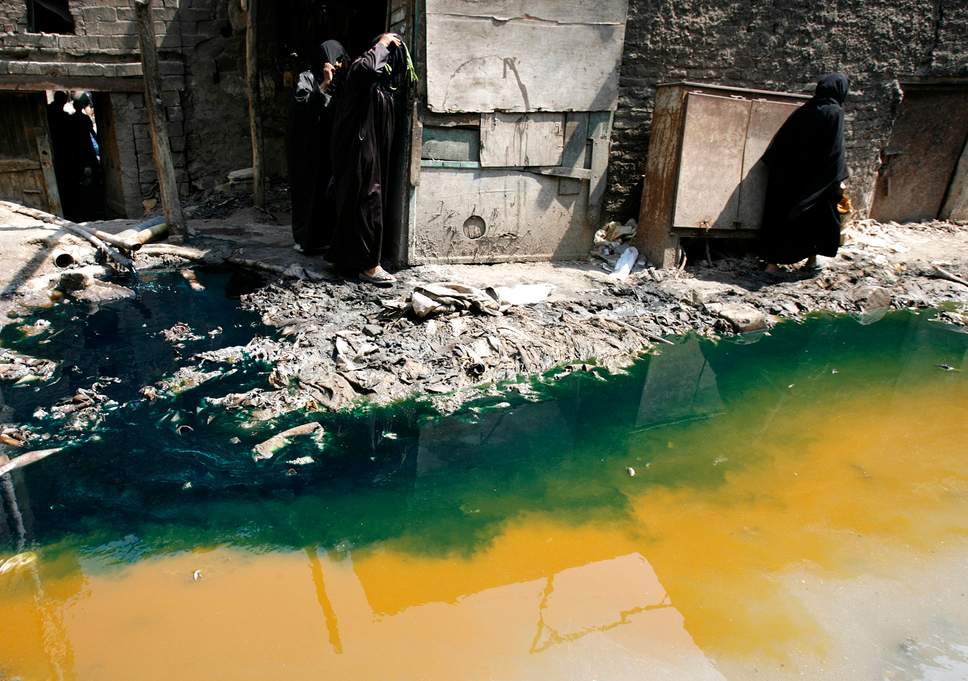
the clothing industry when creating new sets of clothes as well as designs and although appealing to the eye is only achieved with toxic chemicals to attain such vibrant tones. Sadly, methods like these are commonly used in clothing manufacturing which has only resulted in more pollution for its environment and clean water. In regards to the
materials being used, fabric such as polyester one of the most generic fabric used within the clothing industry has been known to be very damaging to the Earth through its shedding of microfibers particles which can only be achieved when polyester fabrics are cleaned in domestic washing machines. These polyester microfibers can also be extremely dangerous due to its ability to easily pass through sewage water as well as wastewater which can ultimately make their way up the food chain resulting in the consumption of humans.
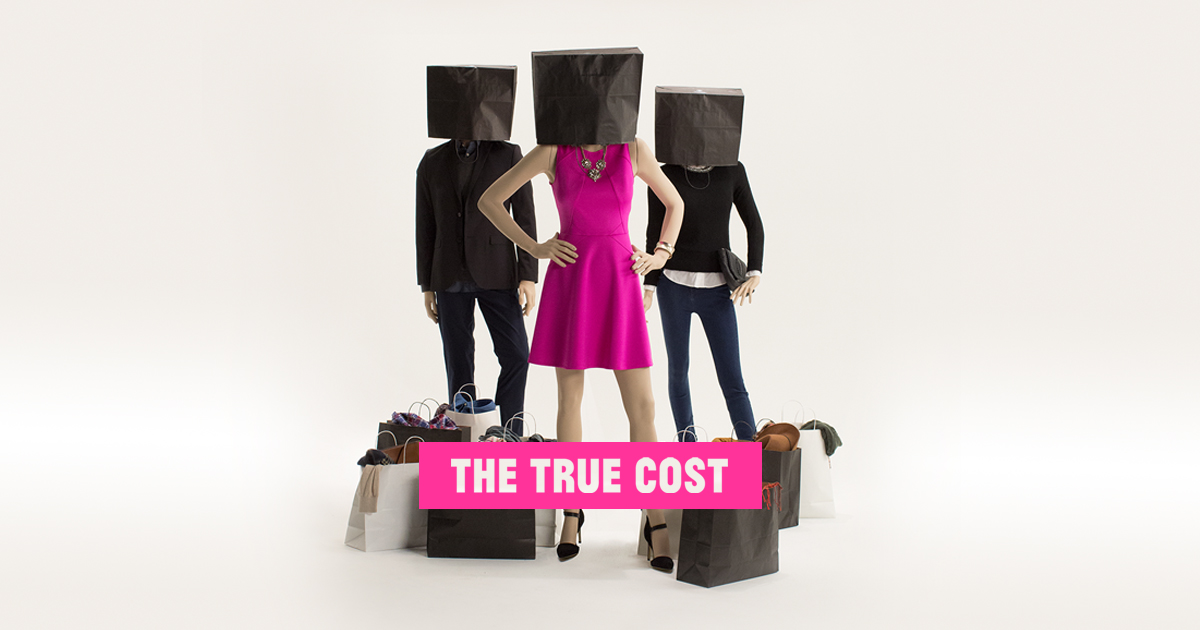
involvement of these damaging poisonous chemicals used in agriculture for the plantation of cotton was shown in a Netflix show. In the film known as “The True Cost,” the documentary briefly stated the passing of a U.S cotton farmer from who was diagnosed with a brain tumor.
Additionally, the film also mentioned about the serious birth abnormalities found within the Indian cotton farmers’ children from the exposure of these toxic chemicals. As stated by, The Conversation “Cotton growing requires high levels of water and pesticides to prevent crop failure, which can be problematic in developing countries that may lack sufficient investment and be at risk of drought” (Perry, p. 5, 2017). Furthermore, in order to get the change we desire, we need to begin with us, the people. We as a society, need to radically rethink the way we manufacture clothes and research what we wear. Moreover, when fabricating clothes individuals should design through the lens of durability so not only, could the clothes be used and recycled for the upcoming years but also without the expense of polluting our surroundings.
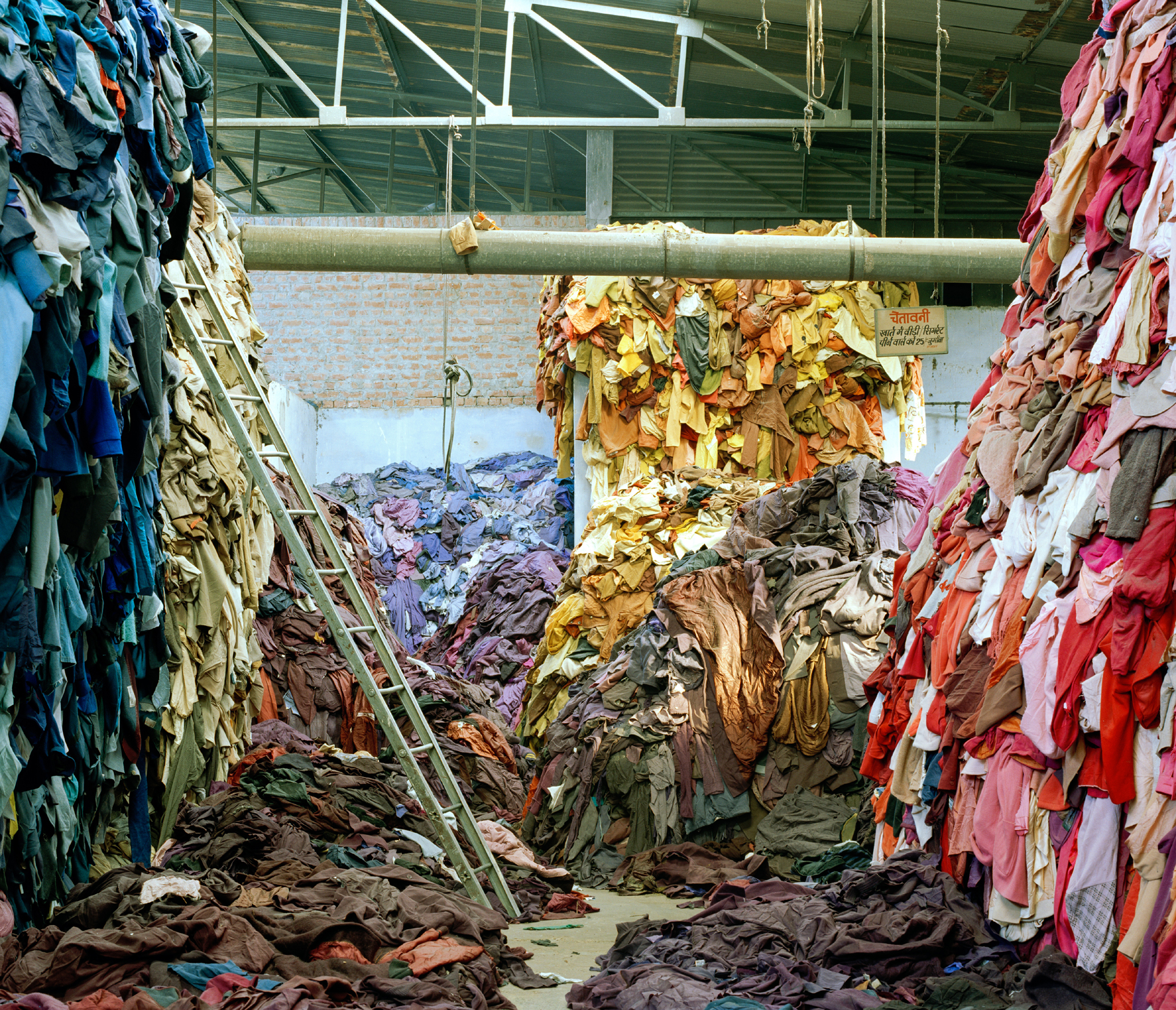
With the majority of clothes being sent out to landfills and only a small percentage of it being reused or recycled, it begs the question on where the rest of the manufactured fabric go? Well, as stated by Remake, “The clothing that ends up in landfills can sit there for 200-plus years, and as it decomposes, it emits methane a greenhouse gas more potent than carbon (McCarthy, p. 2, 2018). Unfortunately, although some pieces of clothing are recycled and reused the majority of textile waste contributes to our earth’s pollution ranging from greenhouse gas emissions and toxins that get absorbed within the earth’s soil and water. Most of the clothes that people donate either get re-sold overseas or end up in landfills. Despite the fact that there has been an effort on reducing clothing waste through inventions of new technologies, methods such as chemical reprocessing which in short, isolates raw materials from dyes to create a more successful modern use of new textiles, has yet to be verified to be incorporated into mainstream stages.
For the most part, due to the unnatural process that is bleaching, dyeing and chemically bathing garments on top of others. We can’t just bury or compost away our problem. What people could do to help delay this issue to a more dangerous degree is to first off all, Invest in the condition of the clothing and to only purchase reused clothing when shopping. Because of fast fashion, most of the clothes we buy as consumers are made to not last as long due to the low quality of the garment. And Lastly, individuals should always hold the apparel industry and our administration accountable for the choices they decide to partake in worsening the environment this way big corporate companies are pressured to make better quality clothes. (McCarthy 2018). We can all do our part and contribute to reducing our carbon footprints which will collectively create a healthier future. Before this future comes, we must first look to those that are already creating a difference such as certain clothing companies, These companies have taken steps to reduce their carbon footprints by promoting recycling and taking steps to reduce waste. For instance, companies such as H&M who have released
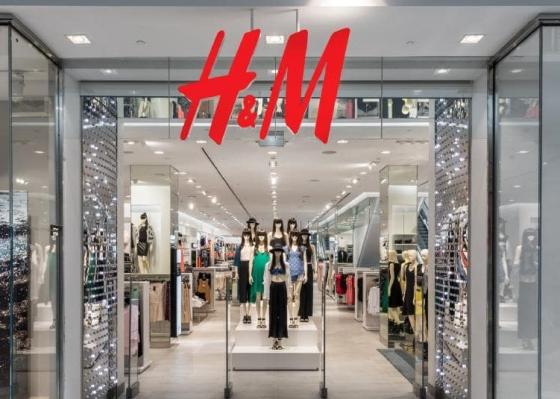
in the past years a recycled denim line, have pushed boundaries of what can be accomplished in the clothing industry. Levi, another company making great strides, helped manufactured a prototype of pants that were made with a blend of virgin and chemically reused cotton that were found from old garments shirts. But despite the
fact that Evrnu’s invention is limited in regards to the certain dyes and materials used, it hopes in the upcoming years, to manufacture jeans from 100 percent post-consumer cotton waste. Furthermore, It is important to understand how these companies are doing and just how effective their methods are. Moreover, It is also important to take a look at how many people truly take into consideration how and where their clothes are being made from when looking for places to shop. Small steps like this can help make an impactful change within the clothing industry and if people as shoppers become more conscious consumers, in the long term aspect of things, this will help create a more sustainable Earth for the future. Possible ways on

how consumers could reduce their impact on the harmful environmental effects that the clothing industry generates are the following: research the standards of clothing companies; most unsupervised garment industries translate into poor working conditions where underpaid employers are heavily mistreated. Additionally, finding out where brands manufacture their
clothing is as equally as important as their working conditions. Shopping at consignment stores as well as second-hand stores result in fewer clothes being sent out to the landfill which can help reduce clothing excess thus creating a more eco-friendly environment. Another way in which we can contribute to making a change is by shopping with homemade stores that can be found locally. Purchasing clothing from local boutiques helps support stores that don’t ethically source their clothing. Furthermore, there are also companies aiming to create ways to recycle our textiles more efficiently, which can be used to construct the very future of recycling.
“The company said at the time that it had developed a method of taking the waste from the textile industry and producing new pulp, which can be used to manufacture textile materials”
(P., Inc. (Ed. 2017).
The company has invented a way to turn the old textiles that we recycle into a current fabric that can be spun and sewed into new clothing. This eliminates the need to harvest more resources which ultimately produces more and more waste. The world will always and has been at a constant change and with humans becoming more aware of the disaster that is pollution, we are beginning to develop ways to fix our errors and create a more sustainable environment.
Refernces
Bick, R., Halsey, E., & Ekenga, C. C. (2018). The global environmental injustice of fast fashion. Environmental Health: A Global Access Science Source, 17(1), N.PAG. https://doi.org/10.1186/s12940-018-0433-7
Cline, E., & Cline, E. (2017, June 19). Where was that shirt made? do you care? Retrieved February 14, 2019, from https://www.newyorker.com/business/currency/where-was-that-shirt-made-do-you-care
Davis, C. (2014, March 07). 5 Ways to reduce clothing waste. Retrieved February 10, 2019, from https://sustainability.ncsu.edu/blog/changeyourstate/closets-afterlife-5-ways-reduce-clothing-waste/
P., Inc. (Ed.). (2018, February 27). Lessening the harmful environmental effects of the clothing industry. Retrieved February 10, 2019, from http://www.planetaid.org/blog/lessening-the-harmful-effects-of-the-clothing-industry
P., Inc. (Ed.). (2017, April 27). New clothing recycling technology aims to reduce clothing waste. Retrieved February 10, 2019, from http://www.planetaid.org/blog/could-a-new-recycling-technique-help-save-climate-change
Swns. (2017, November 01). Americans prefer not to know where their stuff comes from. Retrieved February 14, 2019, from https://nypost.com/2017/11/01/americans-prefer-not-to-know-where-their-stuff-comes-from/
 Christian's Pop Culture Blog
Leave a comment